optomap Improves Clinic Efficiency
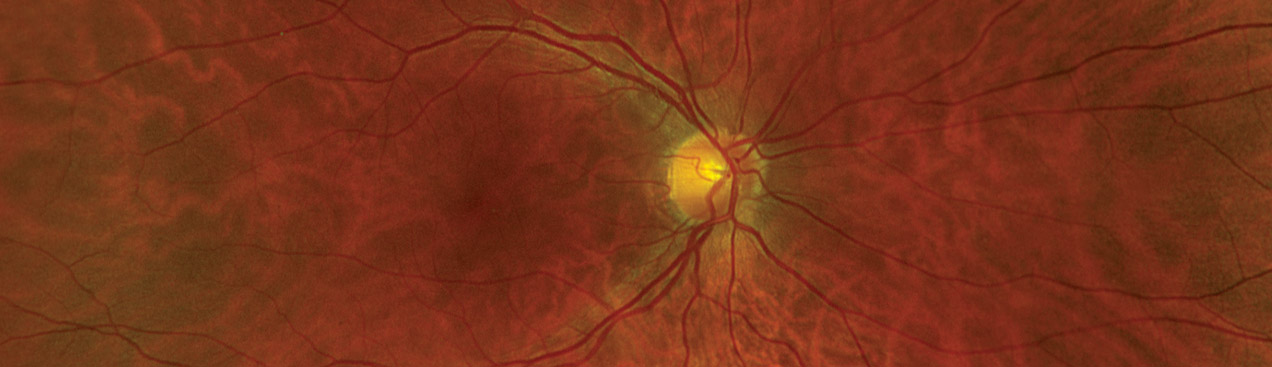
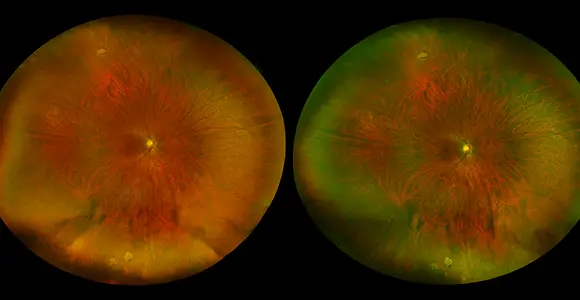
optomap ultra-widefield retinal imaging is designed to improve clinic efficiency by reducing workflow bottlenecks, streamlining patient movement, and supporting cost-effective care. By providing a fast, single-capture 200° view of the retina, optomap helps align staff and doctor schedules, shorten visit times, and enhance patient satisfaction. Backed by extensive clinical research and trusted worldwide, optomap technology gives eye care professionals the ability to optimize resources, increase compliance with screening guidelines, and deliver more effective care with confidence.
Improving Efficiency with optomap Technology
Photography is often a major bottleneck in patient movement and clinic efficiency. Studies have shown that optomap improves efficiency and is more cost-effective than other imaging modalities.
- Centralized optomap device placement for retinal imaging resulted in a 33% (28-minute) reduction in patient visit duration, meaning less downtime, fewer staff handoffs and increased patient satisfaction.1
- Streamlining the imaging type to ultra-widefield, training technicians to perform the imaging and centralizing the location of the devices improved alignment of staff and doctor schedules.1
- optomap is more cost-effective and widely available than other imaging options.2
- optomap has also been shown to increase compliance with annual screening guidelines3, and reduce ungradable rates, image capture, and evaluation time. 4
“As patient volumes increase, finding ways to reduce patient wait times and improve clinic efficiency will be even more important, especially as ophthalmology appointments are already often prolonged compared to other outpatient visits due to the frequent need for specialized imaging.”
Clinical Summary
optomap Improves Clinic Efficiency
optomap enables the reduction of patient wait times & improves clinic efficiency.
Referenced Papers
Evaluation of OPTOS wide-field fundus image projections for radiotherapy planning of uveal melanoma
Impact of teleretinal screening program on diabetic retinopathy screening compliance rates in community health centers: a quasi-experimental study.
Identification of Diabetic Retinopathy and Ungradable Image Rate with Ultrawide Field Imaging in a National Teleophthalmology Program - Ophthalmology
Comparison of a Novel Ultra-Widefield Three-Color Scanning Laser Ophthalmoscope to Other Retinal Imaging Modalities in Chorioretinal Lesion Imaging.
Prospective validation of a virtual post-operative clinic in vitreoretinal surgery.